
- Brewing Guides
- Tea Education
How to Brew Chinese Tea Without Special Equipment
A lot of people buy loose leaf tea and then don't know what to do with it. They assume they need a gaiwan, a clay teapot, or some kind of dedicated setup before they can start. So the tea sits in a drawer.
You don't need any of that to begin. This guide covers a simple method that works with things you likely already have at home.
What You Actually Need
Two mugs or cups, a fine mesh strainer, and hot water. That's it.
One mug is for brewing. One is for drinking. The strainer sits between them when you pour. If you don't have a fine mesh strainer, a paper coffee filter works too.
Water Temperature
This is the one thing that actually matters and that most people get wrong.
Different teas need different temperatures. Boiling water is too hot for green and white tea — it scalds the leaves and pulls out bitterness before anything pleasant has a chance to develop.
A simple rule to follow:
- Green tea: 75–80°C. If you don't have a thermometer, boil the water and let it sit for four to five minutes before pouring.
- White tea: 80–85°C. Let boiled water sit for two to three minutes.
- Yellow tea: 80–85°C. Same as white tea.
- Oolong tea: 85–95°C. One to two minutes off the boil.
- Red tea: 90–95°C. Just off the boil is fine.
If you have a kettle with temperature control, use it. If not, the waiting method works well enough.
How Much Leaf to Use
More than you think. This is where most beginners go wrong — they treat loose leaf tea like a tea bag and use far too little.
A reasonable starting point is about one heaped teaspoon per 150–200ml of water. For denser teas like rolled oolong, use a bit more. For delicate teas like Silver Needle, the same amount is fine.
You'll adjust over time based on your own taste. If it comes out too strong, use less leaf or shorten the steep next time. If it tastes thin, add more.
The Method
Step 1. Put the leaf in your brewing mug.
Step 2. Pour water at the right temperature over the leaves.
Step 3. Let it steep. Start with one minute for green and white tea, two minutes for oolong and red tea. Adjust from there.
Step 4. Hold the strainer over your drinking mug and pour everything through it. Pour it all out — don't leave liquid sitting on the leaves or it will over-extract and turn bitter.
Step 5. Drink, then refill the brewing mug with hot water for a second steep. Good loose leaf tea will give you at least two or three rounds before the flavor starts to fade. White tea and oolong can go further.
A Note on Re-Steeping
This is one of the main differences between loose leaf and a tea bag. Loose leaf tea is meant to be brewed more than once.
Each round tastes slightly different. The first steep tends to be the most aromatic. The second is often smoother and a little sweeter. By the third or fourth round the flavor becomes lighter, which some people actually prefer.
Don't throw the leaves away after one steep.
Common Mistakes to Avoid
Leaving the leaves in the water too long. Once your steep time is up, pour it out completely. Leaving leaves sitting in hot water keeps extracting tannins, which makes the tea astringent and harsh.
Using water that's too hot. Especially with green and white tea. If your green tea tastes bitter, this is almost always why.
Using too little leaf. Loose leaf tea is less concentrated than a tea bag. Use more than feels right the first time and adjust from there.
When to Upgrade Your Setup
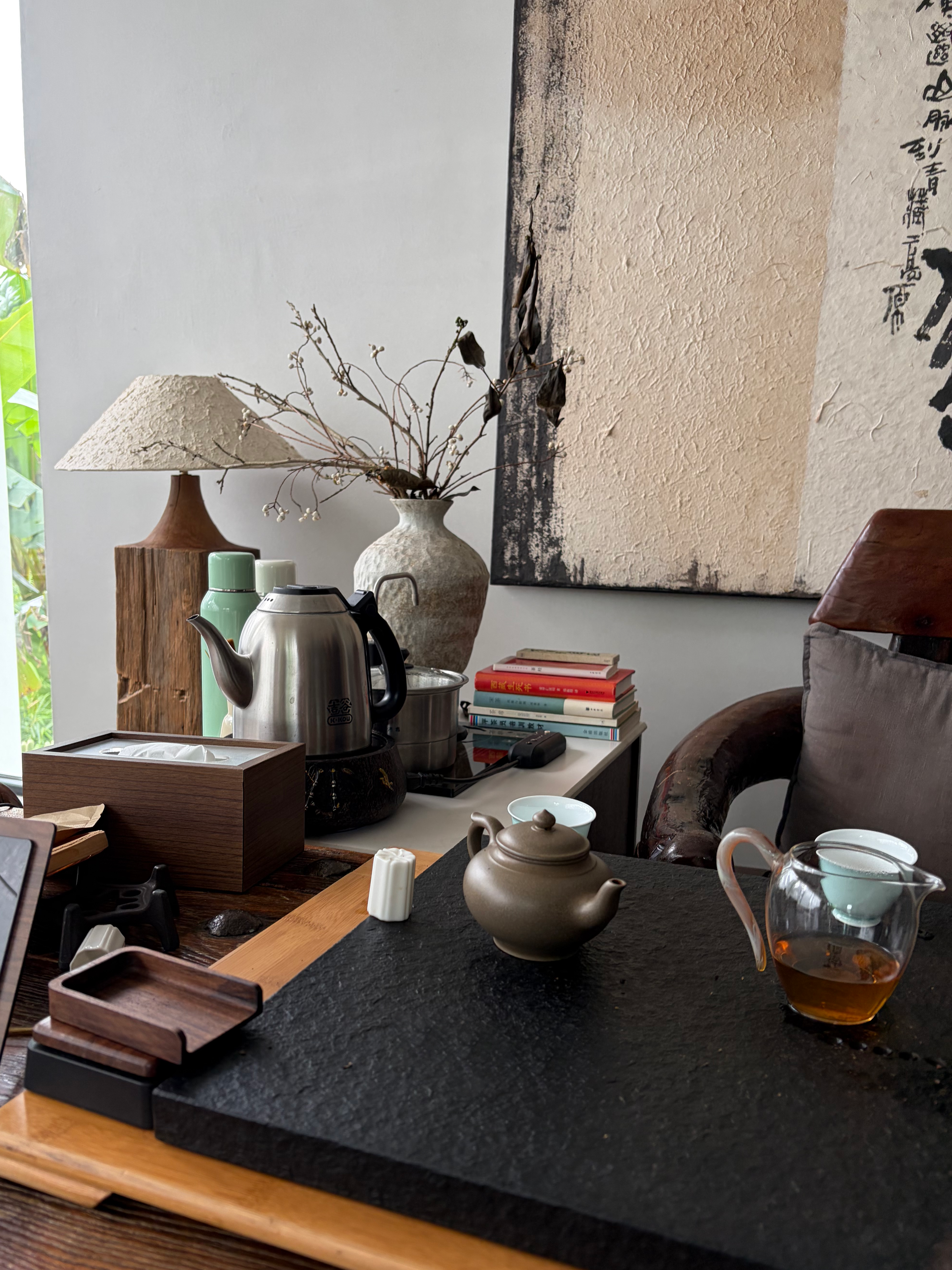
Once you're brewing regularly and enjoying it, a gaiwan or small teapot makes the process easier and more enjoyable. They're designed to make pouring fast and complete, which gives you more control over each steep.
But they're not a requirement to get started. The two-mug method will take you further than you'd expect, and understanding the basics with simple tools makes the step up to proper equipment feel natural rather than overwhelming.
Start with what you have.
Share this article