
- Brewing Guides
- Tea Education
What Is Gongfu Brewing, and Do You Need It?
If you've watched someone make Chinese tea and wondered why they're using such a tiny teapot, that's gongfu brewing. The cups are small, the steeps are short, and the same leaves get brewed multiple times in a row.
It looks complicated from the outside. But the idea behind it is simple.
What Gongfu Actually Means
Gongfu (功夫) translates roughly to skill developed through practice. You've probably heard it in the context of martial arts. In tea, it refers to the same thing — doing something simple, carefully and repeatedly, until you get it right.
Gongfu cha (功夫茶) just means making tea this way. There's no single fixed ritual. Different regions in China do it differently. What stays consistent is the approach: small vessel, a lot of leaf, short steeps, multiple rounds.
How It Works
The basic method is straightforward.
You use a small teapot or gaiwan, typically 80 to 150ml. You fill it with more leaf than you think you need, usually enough to cover the bottom third of the vessel. You pour hot water over the leaves, let it steep for a short time — anywhere from ten seconds to a minute depending on the tea — and pour everything out immediately into a pitcher or directly into cups.
Then you do it again. And again. A good tea brewed this way can go anywhere from five to fifteen rounds before the flavor fades.
Each steep tastes a little different. The first few rounds tend to be brighter and more aromatic. The middle rounds are often the fullest. The later ones get softer and sweeter. You're essentially drinking the same tea across a full arc of flavor, which you'd never get from a single long steep.
Why Short Steeps Matter
When you brew tea for a long time in a large amount of water, everything comes out at once. You get one flavor and that's it.
Short steeps give you control. You decide how much of the leaf to extract with each pour. If a round tastes too strong, you shorten the next one. If it's getting light, you let it sit a bit longer. Over time this becomes intuitive, and you stop thinking about it.
It also means you're getting more from your tea. A good white tea or oolong brewed gongfu style will give you far more total liquid than the same leaves steeped once in a mug, and the later rounds often have a smoothness the first round doesn't.
What Teas Work Best for Gongfu Brewing
Most Chinese teas respond well to this method, but some are better suited than others.
Oolong is where most people start. The rolled leaves open gradually with each steep, which makes the flavor development very noticeable round by round. White tea also works beautifully, especially aged white tea, where the later steeps can be surprisingly rich. Red tea brewed gongfu style tends to be smoother and sweeter than the same tea brewed western style.
Green tea can be done this way but requires lower water temperatures and very short steeps to avoid bitterness. It's a bit less forgiving for beginners.
What Equipment Do You Actually Need
The honest answer is not much.
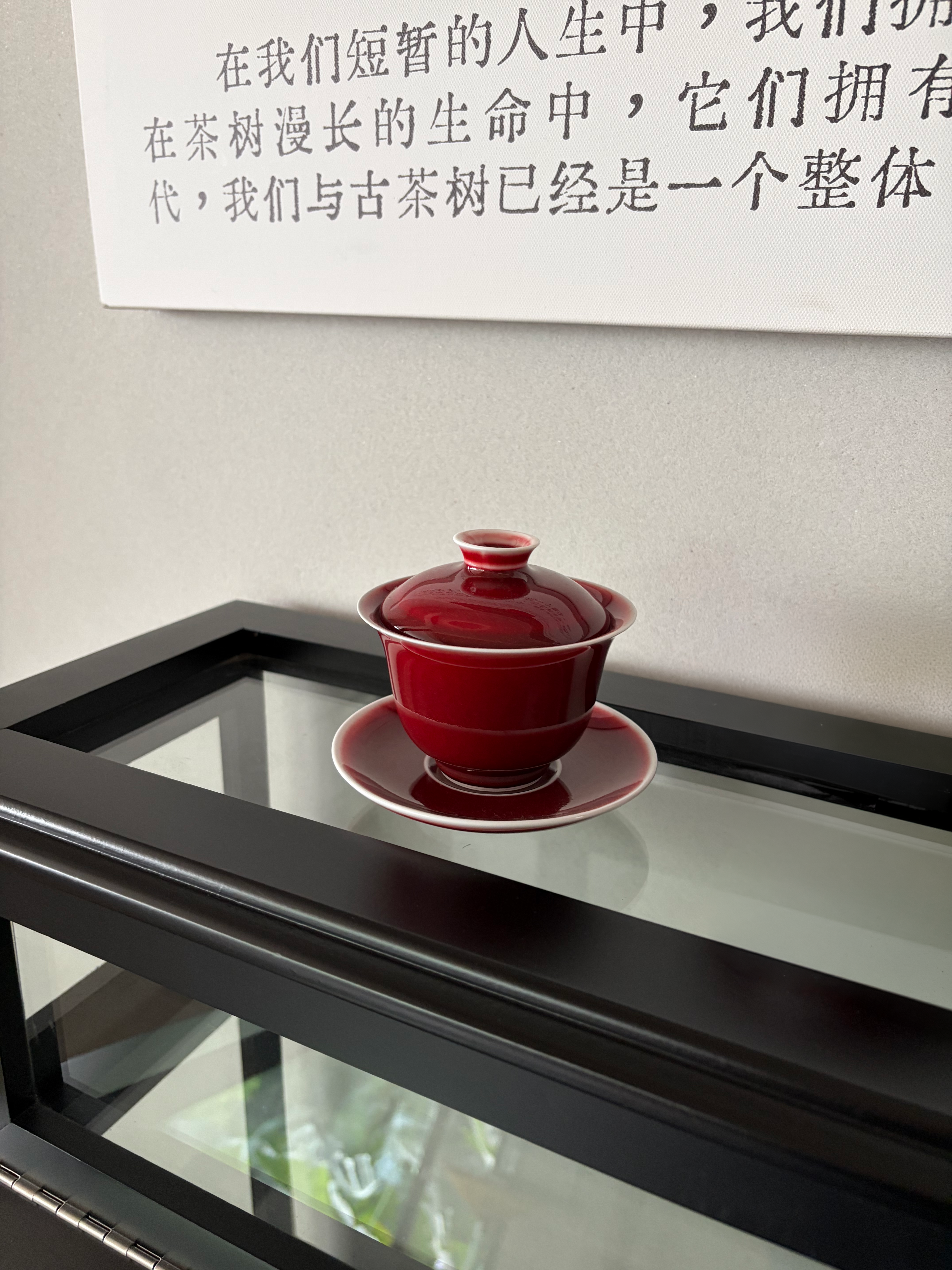
A gaiwan is the most versatile option. It's a lidded bowl with a saucer, used for both brewing and drinking. You can pour directly from it into a small cup, or use it to fill a small pitcher first. Most serious tea drinkers in China use a gaiwan because it works for any type of tea and lets you see the leaves clearly.
A small clay or ceramic teapot works just as well. Yixing clay pots are traditional and absorb the oils of the tea over time, which some people love. A plain ceramic pot does the job without the added complexity.
Beyond that, you need small cups and something to pour into. A fairness pitcher (also called a gong dao bei) is useful because it lets you pour all the liquid out of the brewing vessel at once and then distribute evenly, so the first cup and the last cup taste the same. But a second small vessel works just as well.
You don't need a dedicated tea tray, a tea pet, a bamboo scoop, or any of the other accessories you'll see in photos. Those come with time if you want them.
A Simple Way to Start
If you want to try gongfu brewing at home without buying anything new, you can start with two small mugs or cups. Use one to brew and one to drink from.
Put more leaf than usual in the brewing cup — more than you'd use for a regular mug. Pour hot water, wait about twenty to thirty seconds, and pour it all into the second cup. Drink that, then refill the first cup and repeat.
It won't be perfect. But you'll immediately understand why people brew this way once you taste the difference between your first steep and your fourth.
Is It Worth It?
That depends on what you want from tea.
If you're drinking tea quickly in the morning before work, gongfu brewing probably isn't practical every day. But if you have thirty minutes and a good tea you want to understand properly, it's worth doing. You'll get more out of the same leaves, and you'll start to notice things about flavor and texture that a single steep doesn't show you.
It's also one of the more calming things you can do with half an hour. Not because it's spiritual or ceremonial, but because it gives you something to pay attention to that isn't a screen.
Start simple, use what you have, and go from there.
Share this article