- Yellow Tea
A Complete Guide to Pingyang Huangtang Yellow Tea
Most tea drinkers who encounter yellow tea for the first time have no idea what category they are holding. It looks similar to green tea, smells a little like green tea, and yet the cup is completely different: mellower, sweeter, with a warmth that green tea does not quite reach. Pingyang Huangtang is one of the finest yellow teas China produces, and one of the most obscure outside the country despite a history stretching back to the Qing Dynasty. In Dubai, where specialty Chinese tea has become genuinely more accessible in recent years, Pingyang Huangtang is worth knowing specifically. This guide covers where it comes from, how it is made, what it tastes like, and how to find and brew it properly in the UAE.
2025 Pingyang Huangtang Yellow Tea
From 45 AED
What Pingyang Huangtang Is
Pingyang Huangtang, also known as Wenzhou Huangtang, is a yellow tea produced in Pingyang County in Wenzhou City, Zhejiang Province, on the southeastern coast of China. The name breaks down simply: Pingyang is the county, Huang means yellow, and Tang means soup or broth, referring to the color of the brewed liquid, a distinctive bright orange-yellow rather than the pale gold of white tea or the clear green of a well-made Longjing.
It carries a formal geographical indication status in China, recognizing both the territory of Pingyang County and the traditional processing methods used there as the basis of its protected quality. The Slow Food Foundation's Ark of Taste has also listed Pingyang Huangtang as a product in need of preservation, recognizing that the skill required to make it and the number of producers who still do so correctly are both declining. This listing puts it alongside other rare traditional foods and beverages considered culturally significant enough to protect.
History and Terroir
Tea cultivation in Pingyang County dates back to the Tang Dynasty, with records from between 618 and 907 AD documenting tea production in the Wenzhou region. Pingyang Huangtang rose to prominence during the reign of Emperor Qianlong in the Qing Dynasty, when it was recognized as a tribute tea sent to the imperial court. Production is centered on the slopes of Mount Chaoyang, where the southeastern coastal position of Wenzhou brings warm, humid air from the East China Sea. Consistent mist and cloud cover slow leaf development and concentrate the natural amino acids and aromatic compounds that shape the flavor.
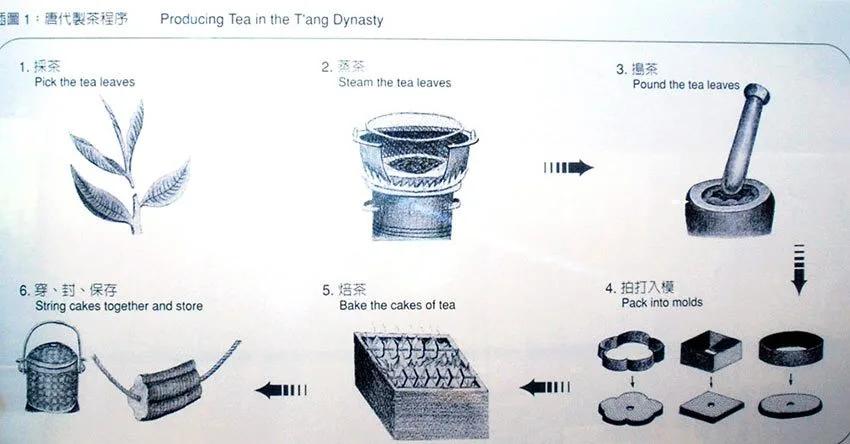
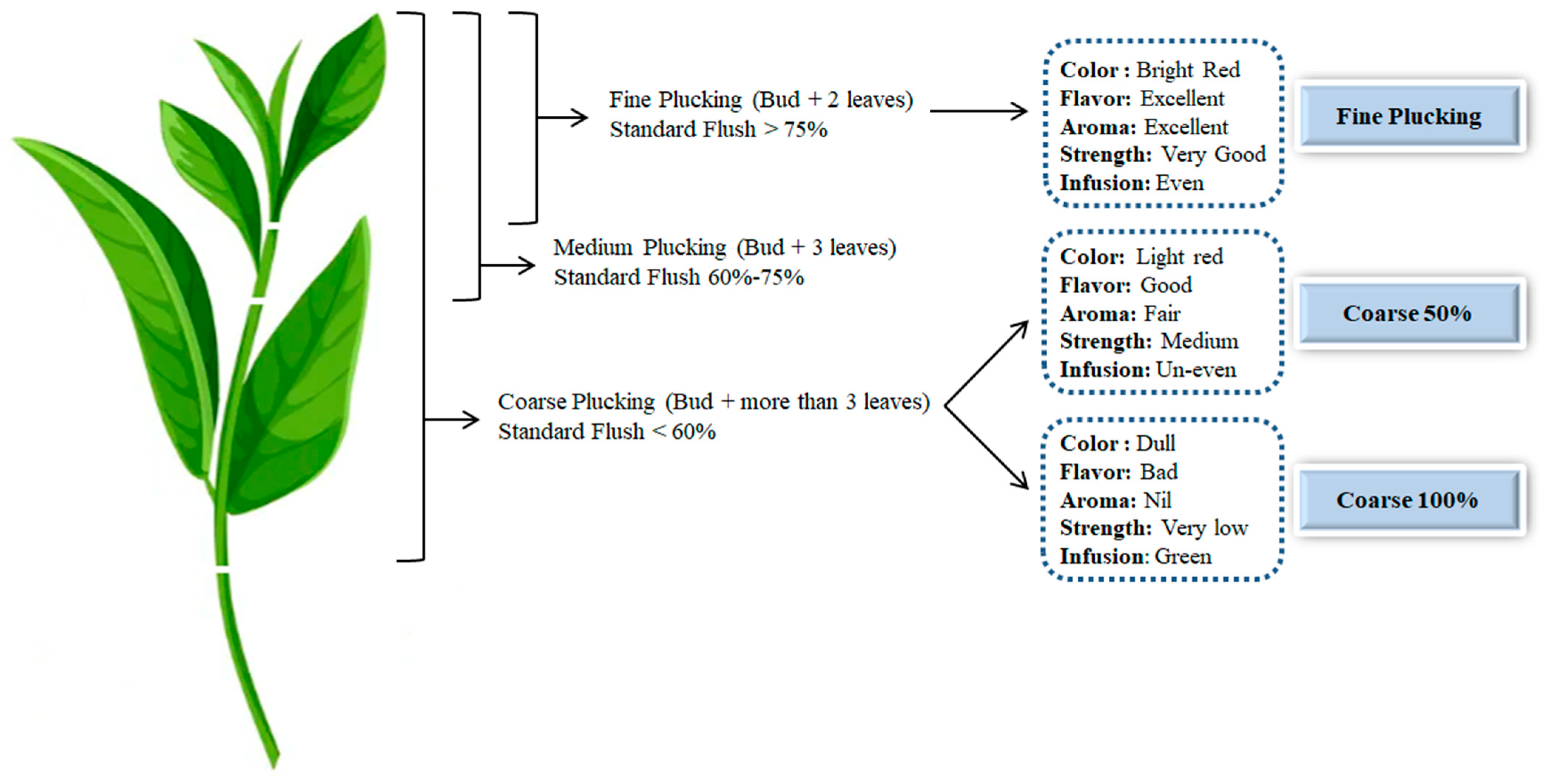
Harvesting is restricted to a short window in early spring, typically from late February to late April. The picking standard requires one bud with one leaf just beginning to unfurl, or one bud with two leaves at most. Each square meter of tea garden should carry ten to fifteen standard buds to meet the quality threshold. The local cultivar native to this part of Zhejiang produces leaves with a natural sweetness and a slightly corn-like aroma that is specific to this region and this processing method.
The Three Yellows and One Fragrance
Pingyang Huangtang is traditionally described by the phrase san huang yi xiang, meaning three yellows and one fragrance, which captures its defining qualities precisely.
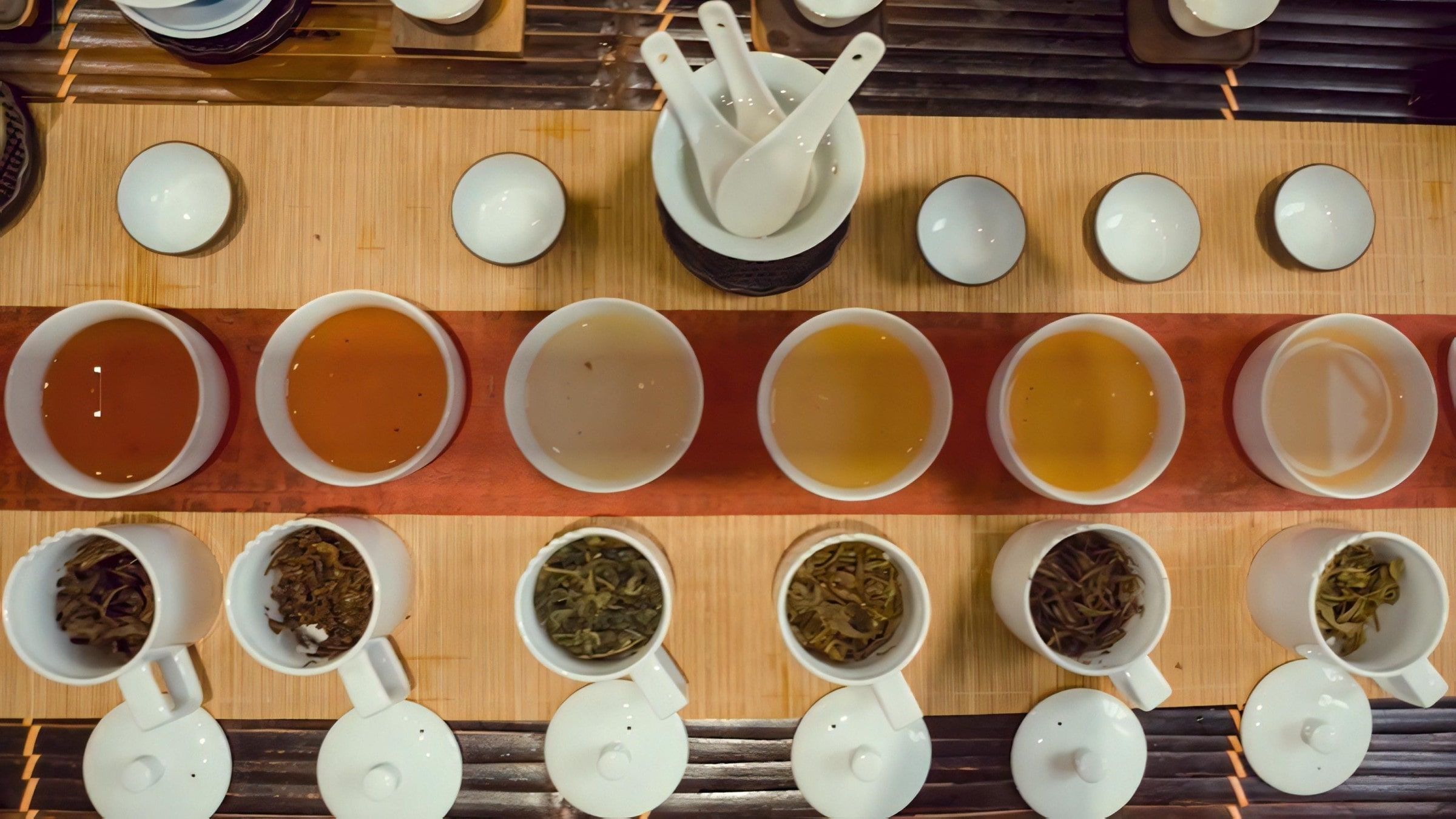
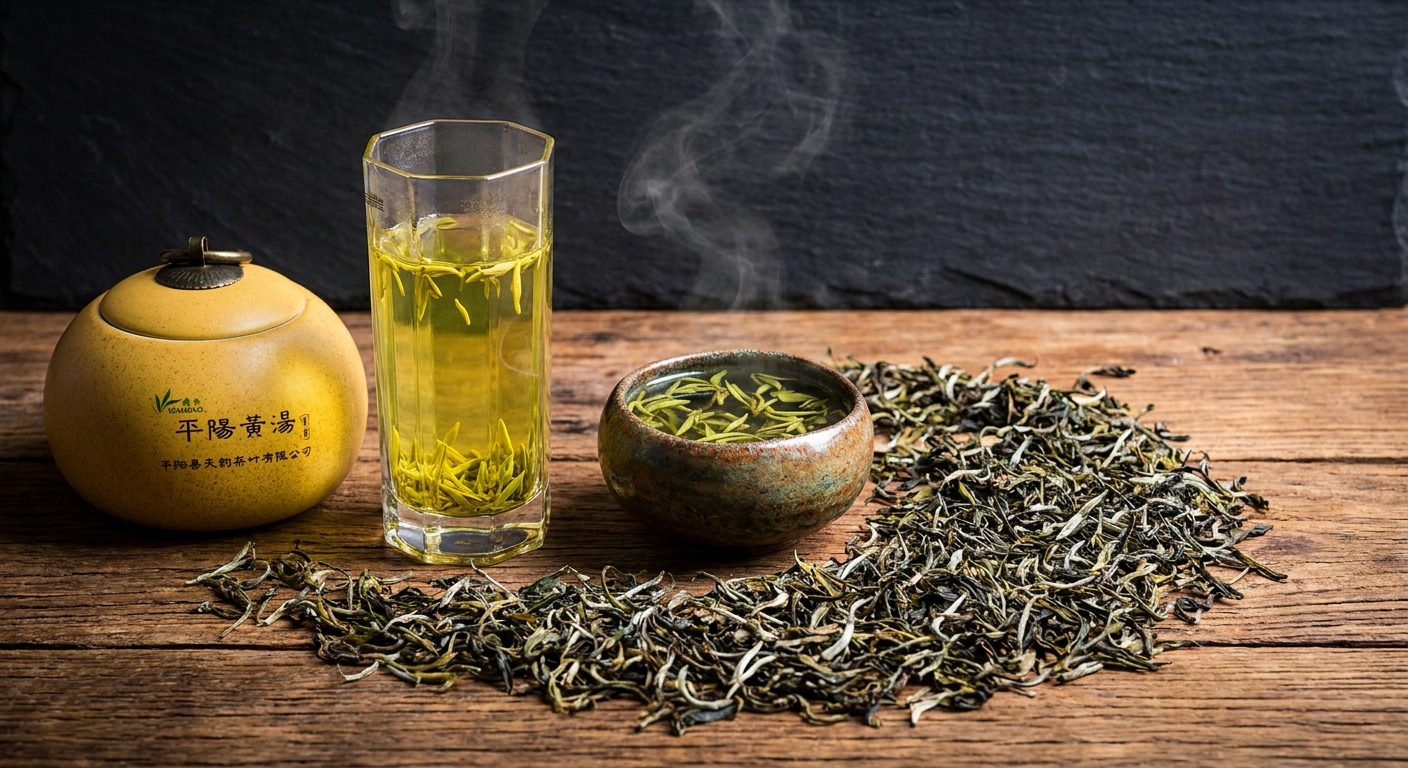
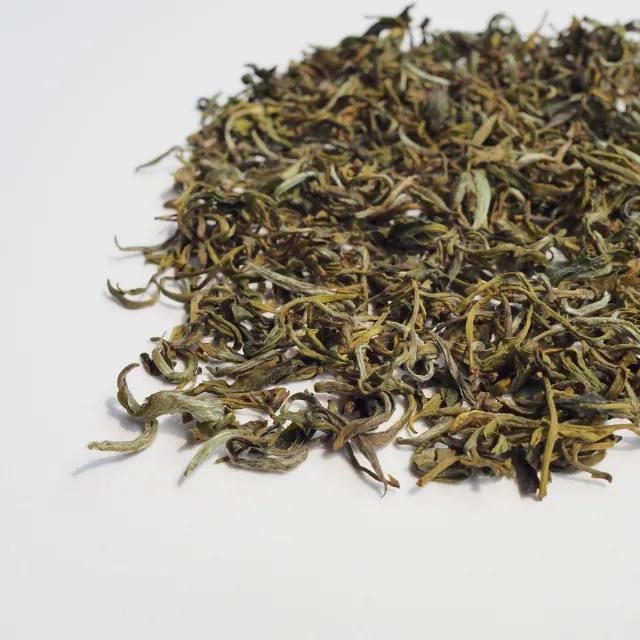
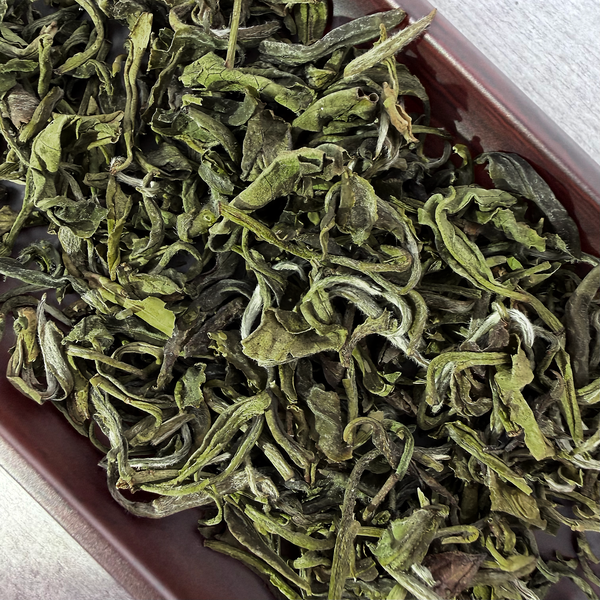
The three yellows describe what you see at each stage. The dried tea itself is yellowish-green rather than vivid green. The brewed soup is a bright orange-yellow, clear, and luminous in a glass cup. The infused leaves after steeping show a consistent yellow-green tone. Each yellow is a visible marker of how the processing transformed the leaf.
The one fragrance refers to a warm, sweet corn-like aroma that rises from the cup. This corn fragrance is the signature quality of Pingyang Huangtang and the clearest indication that the menhuang step was executed correctly during production. It is noticeably different from the grassy freshness of green tea or the floral character of white tea. When you encounter it for the first time, it is immediately recognizable as something distinct.
The Processing That Creates It
Pingyang Huangtang follows green tea production broadly but adds one step that changes everything.
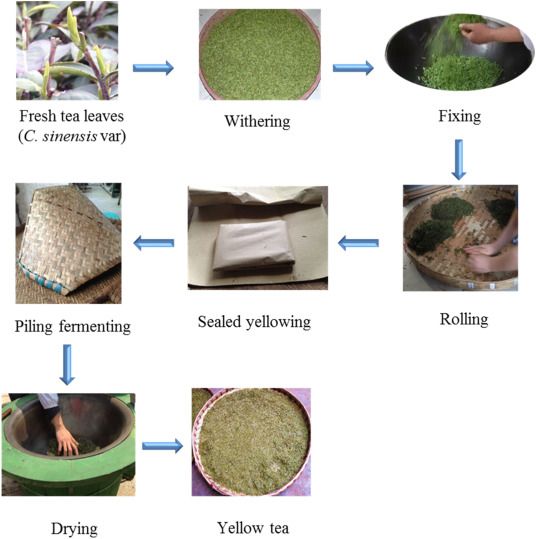
After picking, the leaves are pan-fried at around 160 degrees Celsius to stop oxidation. The leaves are then lightly rolled into slender strips. At this point, the tea resembles a light green tea. What comes next is menhuang, the sealed yellowing. The leaves are wrapped loosely in paper or cloth while still slightly warm and humid and allowed to sit in a controlled environment. The warmth and residual moisture create a slow, gentle transformation, softening the grassy edge of the green leaf, developing the yellow color throughout, and creating the characteristic corn fragrance.
This menhuang step is repeated multiple times, alternating with gentle rolling and heat applications across several days. It requires close attention because the balance between enough transformation and too much determines whether the final tea achieves the smooth, sweet character of genuine Pingyang Huangtang. After yellowing is complete, a final low-temperature drying step stabilizes the moisture and locks in the flavor.
What It Tastes Like
The most immediate quality in the cup is smoothness. There is no bitterness and almost no astringency even on the first steep. The yellow tea process removes the sharpness that green tea can carry without taking away the freshness.
The flavor is warm and lightly sweet with a clean grain quality. The corn fragrance that defines the aroma carries through to the taste as a gentle sweetness different from honey notes of white tea or the roasted warmth of oolong. It is lighter and cleaner, soft and immediately comfortable in the mouth. The orange-yellow liquor color is worth admiring in a glass cup before drinking. The clarity and brightness of the soup are visible even to someone tasting the tea for the first time.
Health Properties
Research on Pingyang Huangtang has found that the tea preserves approximately 85 percent of its natural bioactive substances through the production process. The polyphenols, amino acids, soluble sugars, and vitamins that remain contribute to antioxidant properties, anti-inflammatory effects, and gastrointestinal protection.
The amino acid content is notable. Yellow tea frequently shows higher free amino acid levels than comparable green teas, contributing to both the smooth sweetness in the cup and the calming quality associated with L-theanine. The caffeine content is moderate and lower than that of green or black tea, making it accessible for people who are sensitive to caffeine but still want the mental clarity that comes from a proper cup of tea.
In traditional Chinese medicine, yellow tea is cool in nature and considered gentle on the stomach, suitable for people who find green tea too sharp or who have sensitive digestion. The reduced bitterness makes it easier to drink on an empty stomach and before meals.
Finding Pingyang Tea in Dubai
Jade and Sakura carry Pingyang Huangtang yellow tea as part of their Chinese tea range, sourced from Zhejiang Province with UAE delivery. Given how rarely this tea appears outside China, having a confirmed local source in the UAE is genuinely useful for anyone in Dubai who wants to try it without international shipping.
When evaluating any Pingyang Huangtang before buying, the key markers are origin confirmation specifying Pingyang County, Wenzhou, Zhejiang Province, spring harvest labeling, and, if possible, a description of the processing method. The menhuang step distinguishes genuine yellow tea from green tea sold under a yellow name. A seller who can describe the processing in some detail is likely working with a real product.
How to Brew It
Pingyang Huangtang brews best at 80 to 85 degrees Celsius. Like all yellow teas, it does not need boiling water, and the slightly lower temperature allows the natural sweetness to come forward without any harshness.
Use 3 grams per 150ml of water. A glass cup is worth using specifically for this tea because watching the yellow-green leaves open slowly in the pale orange-yellow soup is part of the experience. Steep for 2 to 3 minutes on the first infusion and add 30 seconds per round. A quality Pingyang Huangtang gives four to five comfortable infusions. Early rounds are the most aromatic and display the corn fragrance most clearly. Later rounds become quieter but remain pleasant.
Dubai's tap water will flatten the delicate character of this tea. Filtered or still bottled water is worth using here.
Final Thoughts
Pingyang Huangtang is the kind of tea that rewards the effort of finding it. The smoothness, the corn fragrance, and the warm orange-yellow soup make it one of the more quietly memorable cups available from the Chinese tea tradition.
For anyone in Dubai who takes specialty tea seriously and has not yet encountered a genuine yellow tea, Pingyang Huangtang is exactly where to start.
Pingyang
Share this article