
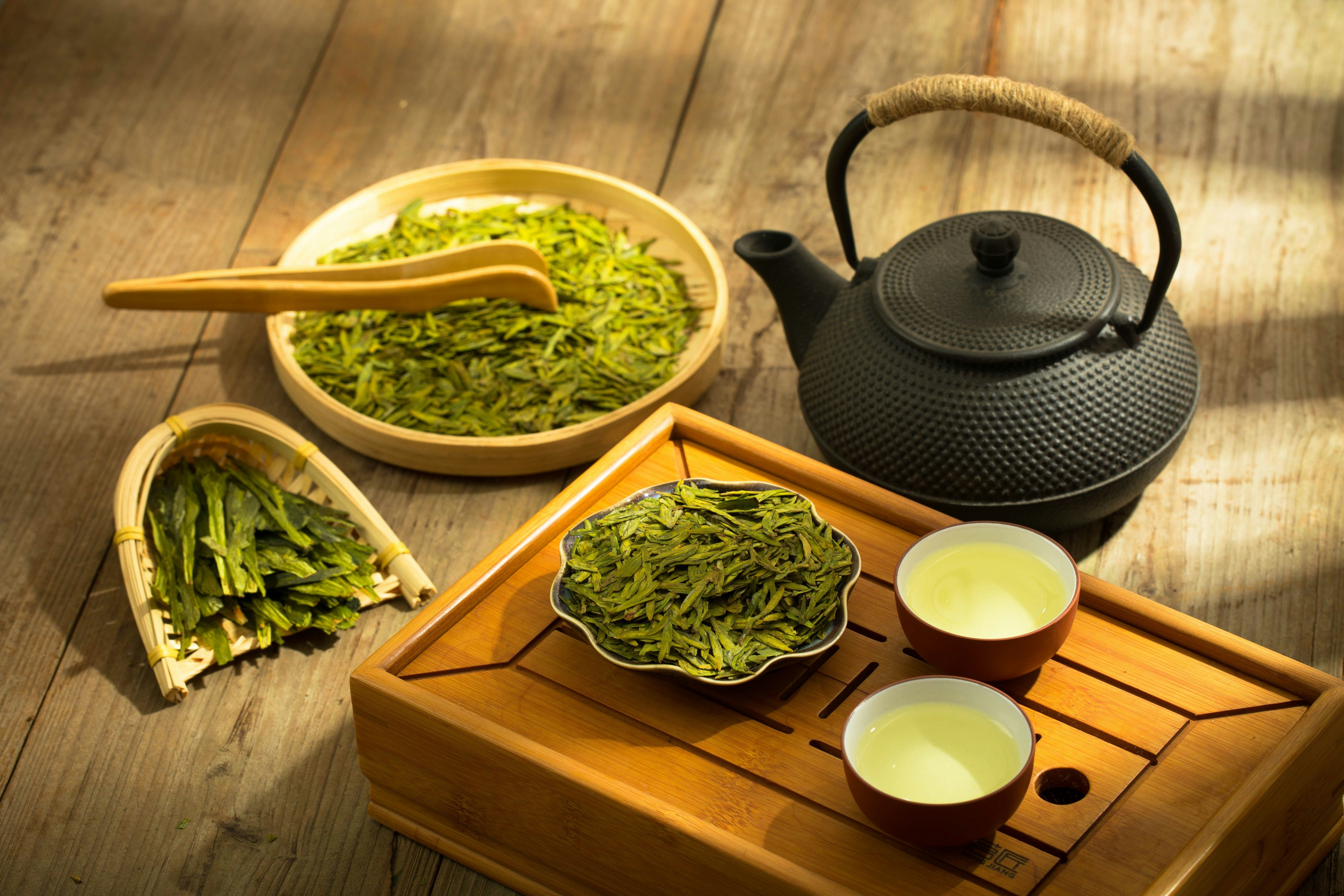
- Green Tea
- Tea Education
Chinese Green Tea in Dubai: Best Varieties, & How to Brew It Right
Green tea has been part of Chinese daily life for thousands of years. It is drunk in the morning for clarity, after meals for digestion, and in quiet moments simply for the pleasure of it. Dubai, a city that has always had a taste for quality from every corner of the world, has quietly developed a genuine market for authentic Chinese green tea over the last several years. If you have been curious about finding the real thing here, this guide covers what to look for, which varieties are worth trying, where to buy them in the UAE, and how to brew them properly so the first cup actually delivers what it promises.
2024 Prickly Pear Red Tea
110 AED
What Makes Chinese Green Tea Different
Before getting into specific varieties and shops, it helps to understand what separates Chinese green tea from the generic green tea most people in Dubai have tried from supermarket teabags.
All green tea, whether from China, Japan, or Korea, comes from the same plant: Camellia sinensis. What makes Chinese green tea distinct is the processing method. Chinese producers almost universally use pan-firing, placing fresh-picked leaves into a hot iron wok and moving them continuously by hand until the moisture drops and the enzymes that cause oxidation are deactivated. This step, called shaqing or kill-green, is done fast and at high heat, and it locks in the character of the fresh leaf. The result is a tea with a clean, warm, slightly toasted quality that Japanese green teas, which are steamed rather than pan-fired, simply do not have.
The difference is obvious in the cup. Japanese green teas like matcha and sencha are grassy and vegetal. Chinese green teas lean warmer, nuttier, and more rounded with a sweetness that comes through without any bitterness when brewed correctly.
2024 Fuding Bai Mu Dan (White Peony) White Tea
39 AED
The Best Chinese Green Tea Varieties to Know
Not all Chinese green teas are the same. The country produces hundreds of distinct varieties across different provinces, each shaped by its elevation, soil, climate, and the cultivar of the tea plant used. A few names come up again and again as the most celebrated and the most worth seeking out.
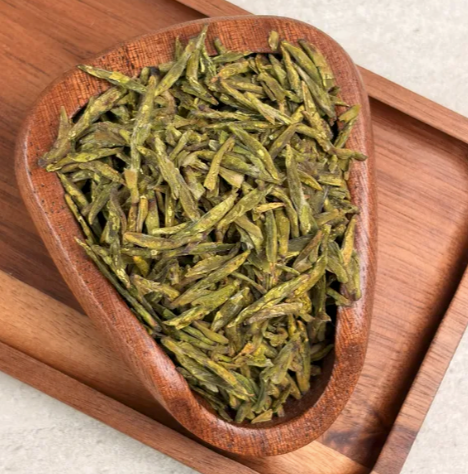
Longjing, also called Dragon Well, is China's most famous green tea and the natural starting point for anyone new to the category. It comes from the hills surrounding West Lake in Hangzhou, Zhejiang Province. The leaves are pressed flat during production, giving them their distinctive smooth, blade-like shape. The flavor is warm, slightly nutty, and clean with a gentle sweetness that makes it very easy to drink. There is no bitterness in well-made Longjing when brewed at the right temperature. It is the tea that has been served to Chinese emperors and foreign heads of state for centuries, and its reputation is entirely earned.
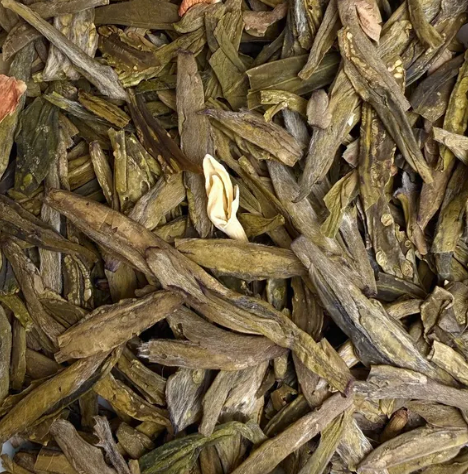
Biluochun, which translates as Green Snail Spring, comes from Dongting Mountain in Suzhou, Jiangsu Province. The leaves are hand-rolled into tight little spirals that unfurl slowly and beautifully in water. What makes Biluochun genuinely special is that it is planted alongside peach, plum, and apricot trees, whose blossoms infuse the surrounding air and soil with a natural fruity-floral character that the tea leaves absorb over the growing season. The cup is lighter and more fragrant than Longjing, with a clear orchid note and a refreshing, slightly fruity finish.
Huangshan Maofeng grows at high altitude in the Yellow Mountain region of Anhui Province and is slightly baked-dried rather than pan-fired, giving it a softer, rounder quality. It is gentle and floral with a smooth sweetness and a clean finish. Xinyang Maojian from Henan Province is bolder and more robust, one of the rare famous Chinese teas grown north of the Yangtze River, and it carries a richer fragrance and slightly stronger flavor than most other green teas.
Gunpowder green tea is one of the most widely available Chinese green teas in the UAE. The leaves are rolled into small pellets and open up slowly in water. It has a stronger, slightly smokier flavor than the more delicate spring teas, which makes it popular as an everyday tea and as the base for Moroccan mint tea.
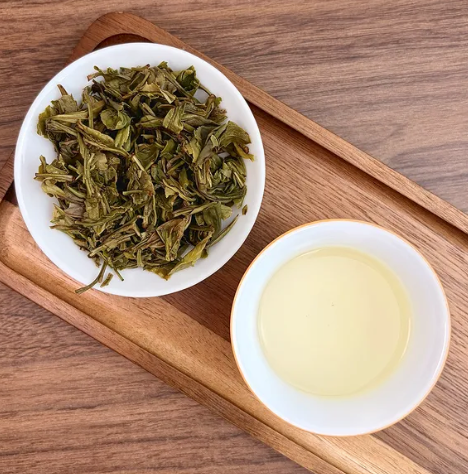
Yunnan green tea is a lesser-known but genuinely interesting option. Most people associate Yunnan with dark Pu-erh tea, but the province also produces a green tea made from large ancient-leaf cultivars. The silvery-tipped leaves brew a lively, grassy, and slightly tart cup that is unlike anything from Fujian or Zhejiang and worth trying for anyone curious about regional differences in Chinese green tea.
What to Check Before You Buy
A few things to know that will help you shop smarter.
Origin labeling matters. A genuine Longjing from Hangzhou's West Lake area, called Xi Hu Longjing, is different from a Longjing-style tea grown in other provinces. Both can be good, but they taste different, and the price gap between them is significant. Reputable sellers will tell you clearly where the leaves come from.
The spring harvest is worth paying attention to. The most prized Chinese green teas are harvested in early spring, particularly before the Qingming Festival in early April. Ming Qian teas, literally meaning "before Qingming," are made from the season's most tender buds and are more expensive but noticeably sweeter and more complex. If a seller specifies spring harvest, that is a good sign they are paying attention to quality.
Loose leaf is almost always better than teabags for Chinese green tea. The leaves need room to expand fully in water, and the quality of the leaves used in teabags is typically much lower. For all the varieties mentioned in this guide, buy loose leaf whenever possible.
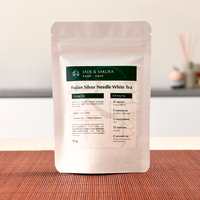
2024 Fujian Silver Needle White Tea
From 59 AED
How to brew Chinese green tea at home?
Brewing Chinese green tea correctly makes a bigger difference than most people expect. The most common mistake is water that is too hot.
Use water between 75 and 85 degrees Celsius. For delicate teas like Longjing and Biluochun, staying at the lower end of that range gives a cleaner, sweeter cup. If you do not have a temperature-controlled kettle, simply boil water and let it sit uncovered for two to three minutes before pouring.
Use about 3 grams of loose-leaf tea per 150ml of water, which is roughly one teaspoon. A glass cup or ceramic gaiwan works well for most Chinese green teas, as both allow you to watch the leaves open and settle. For Biluochun in particular, watching the spiral leaves unfurl in water is one of the simple pleasures of the tea.
Steep for one to two minutes on the first infusion. A good quality Chinese green tea can give you three to five infusions before the flavor fades noticeably. Add slightly more time with each subsequent steep. Dubai's tap water is heavily treated, so using filtered or good bottled still water makes a real difference to the final cup.
For more check this video out:
Final Thoughts
Chinese green tea in Dubai is no longer difficult to find, and the quality available here has improved significantly over the last few years. Whether you are just starting out or already know what you enjoy, the variety is genuinely there to explore.
If you have only ever had generic supermarket green teabags, trying a properly sourced Longjing or a fragrant Biluochun brewed at the right temperature is a genuinely different experience. It is a cup that is clean, warm, and naturally sweet. Take your time finding the right variety, brew it with care, and it will give back more than you expect.
Share this article