Spring 2025
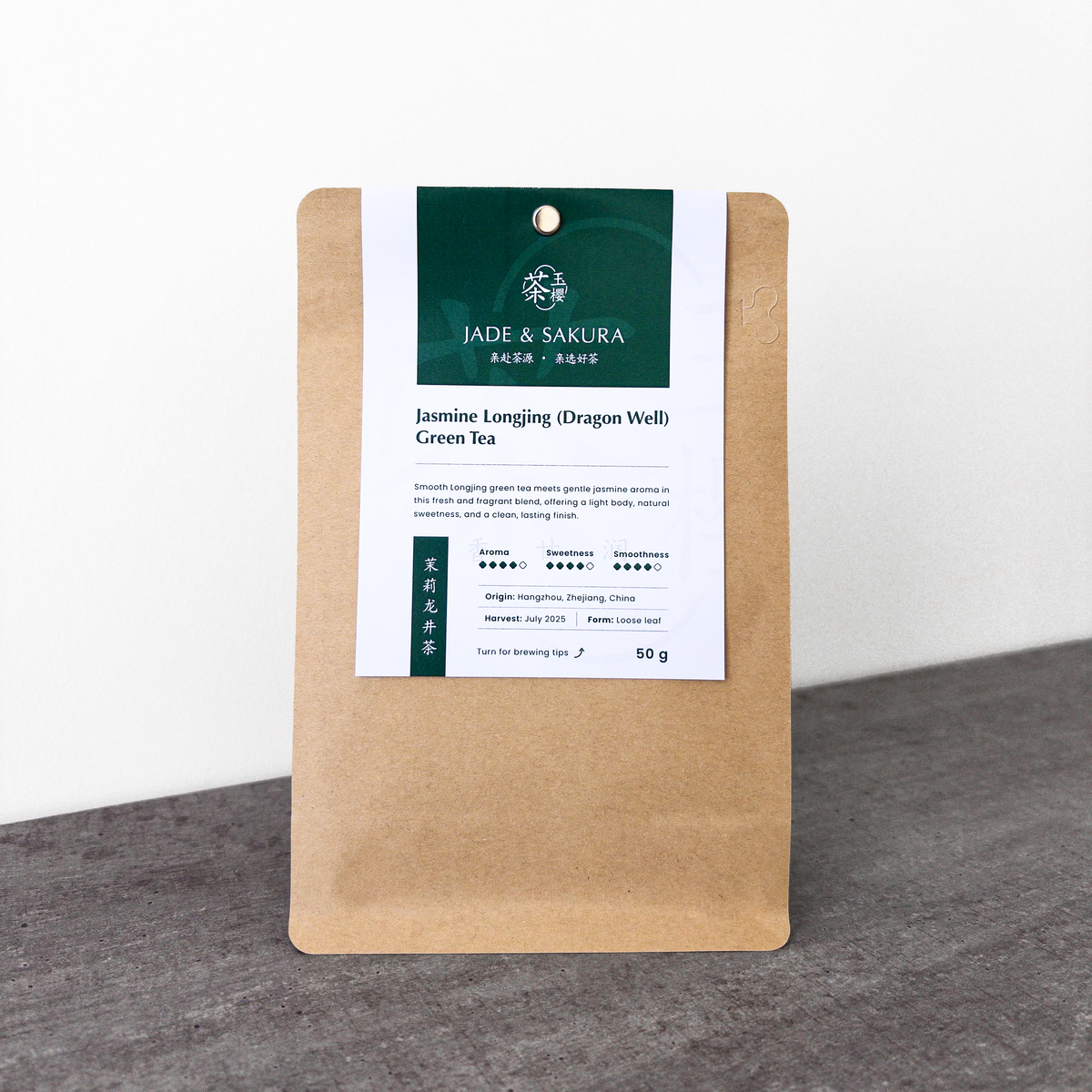
2025 Jasmine Longjing (Dragonwell) Green Tea
Free shipping on orders over 50 AED
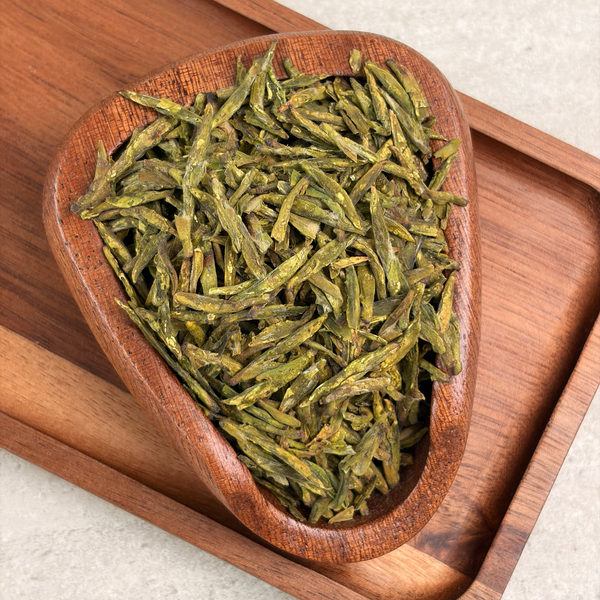
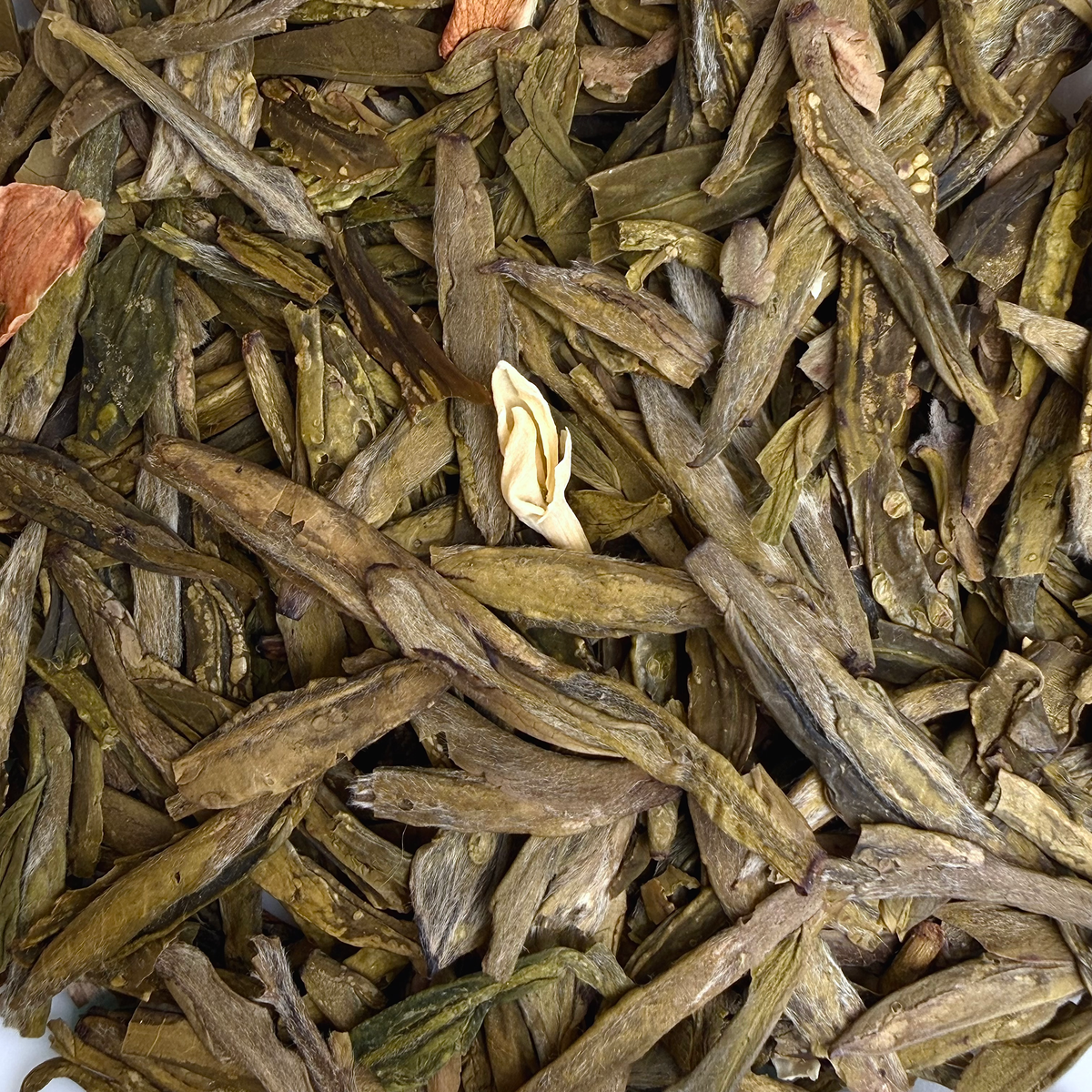
Jasmine Longjing takes a different approach to scented tea: instead of a neutral green tea base, it uses Longjing, a tea with its own distinct character of roasted chestnut and fresh vegetal notes, layering jasmine on top of that. Freshly harvested jasmine blossoms are scented with the leaves through repeated traditional cycles, with no added flavoring or oils. The result is a pale jade cup where soft jasmine aroma meets the characteristic chestnut warmth of Longjing.
Questions? Message us on WhatsAppDirect from the farm
Bought in person from the farmer who made it, on a yearly sourcing trip to China.
Tasted before bought
We taste every lot ourselves before we buy, often against alternates from the same village.
Small lots, single origin
Every tea is named by its village, farmer, and harvest year. Never a warehouse blend.
What is Jasmine Longjing?
Jasmine scented tea is one of China's oldest tea traditions, but the base tea used in scenting matters enormously. Most jasmine teas are made with a neutral green tea chosen specifically because it won't compete with the floral aroma. Jasmine Longjing takes a different approach: it uses Longjing as the base, a tea with its own distinct character of roasted chestnut and fresh vegetal notes, and layers jasmine on top of that. The result is more complex than a standard jasmine green tea, with two distinct identities that complement rather than overpower each other.
The scenting process follows a traditional method: freshly harvested jasmine blossoms from Guangxi or Fujian are layered with spring-picked Longjing leaves during cool summer evenings, when the flowers release their most intense fragrance. The tea absorbs the aroma naturally through repeated cycles of scenting and drying, with no added flavoring or oils.
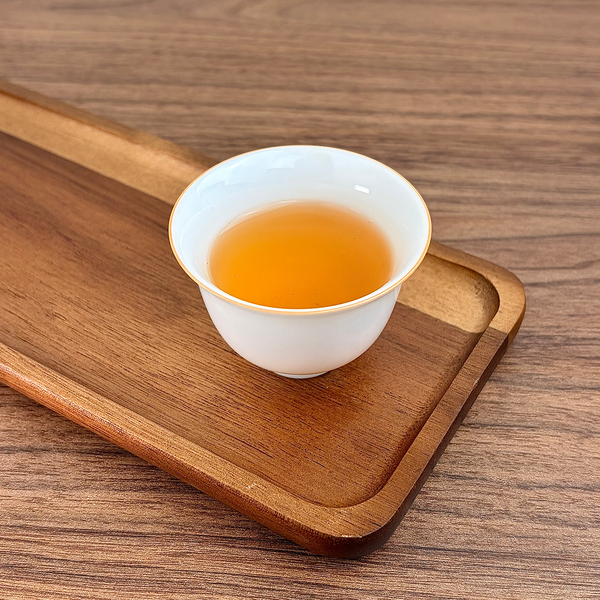
In the cup, the liquor is pale jade and clear. The jasmine is present immediately in the aroma, soft and clean, while the first sip brings a gentle sweetness followed by the characteristic chestnut undertone of Longjing. Smooth, mellow, and refreshing throughout.
Tasting Notes
Fresh and fragrant, with a bright jasmine perfume layered over the classic chestnut sweetness and clean vegetal character of Dragonwell.
Oxidation
Stimulation
Fermentation
Body
Brewing Instructions
- Amount
- 3–5 gper 200 ml
- Temperature
- 85–90°C185–194°F
- Infusion Time
- 20–30 sec
- Infusions
- Up to 5
Aging & Storage
Store in a cool, dry, airtight container away from light to preserve its floral fragrance.
Origin
Origin
Hangzhou, Zhejiang
Cultivar
West Lake
Elevation
200 meters
Jasmine Longjing brings together two distinct origins. The tea base comes from West Lake in Hangzhou, Zhejiang Province, the only region in China with a protected designation of origin for Longjing, where tea has been cultivated for over a thousand years in a misty, humid microclimate shaped by the lake and the surrounding low rolling hills. The jasmine blossoms come from either Guangxi or Fujian, both longstanding centers of jasmine cultivation in China, where the flowers are harvested in summer when their fragrance is at its peak. The two ingredients never share a growing region, and it is precisely this distance that makes the scenting process meaningful: the jasmine is brought to the tea specifically for what it can offer, applied through repeated layering cycles, and then removed, leaving only its fragrance behind.