2025
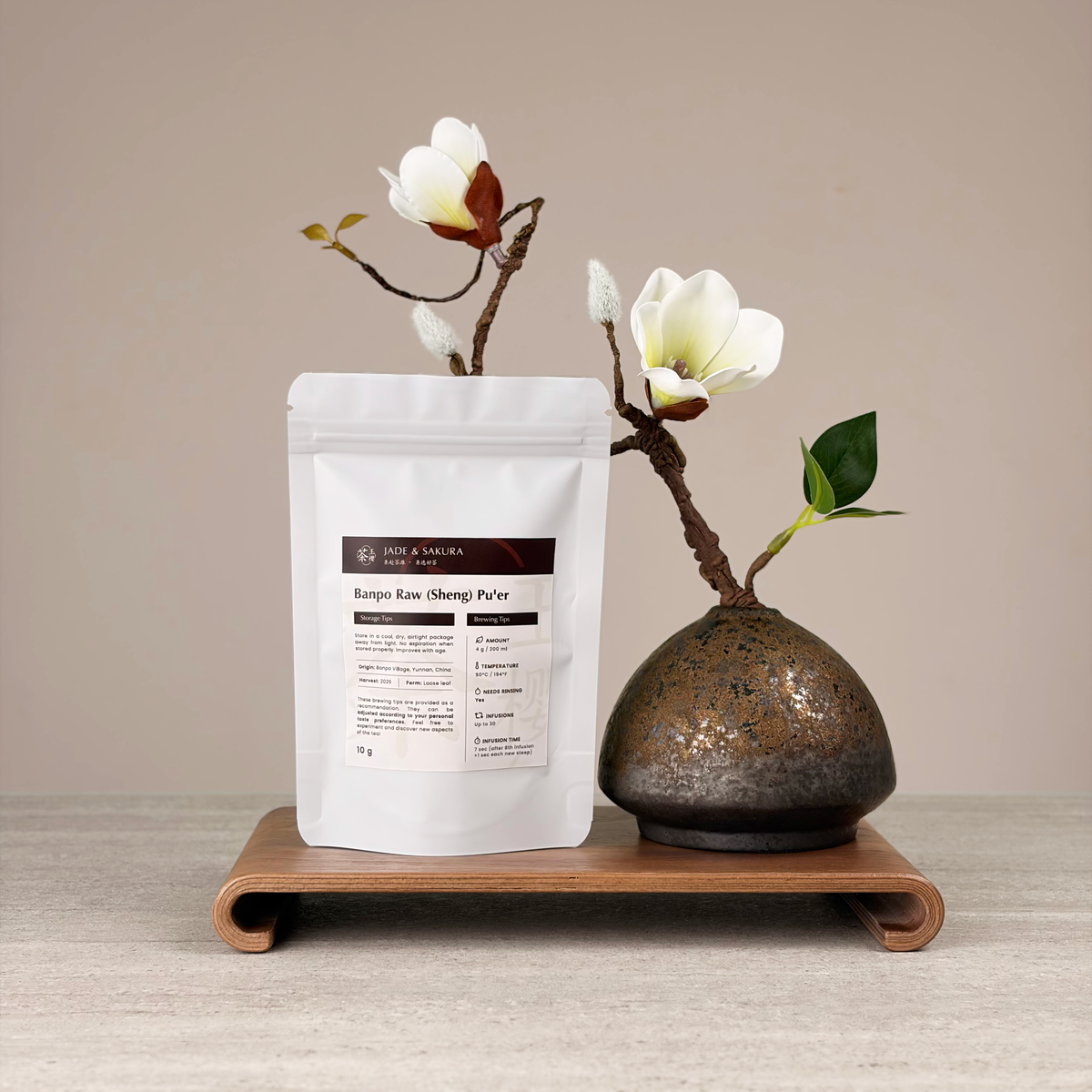
2025 Banpo Village Raw (Sheng) Pu'er
Qualifies for free shipping
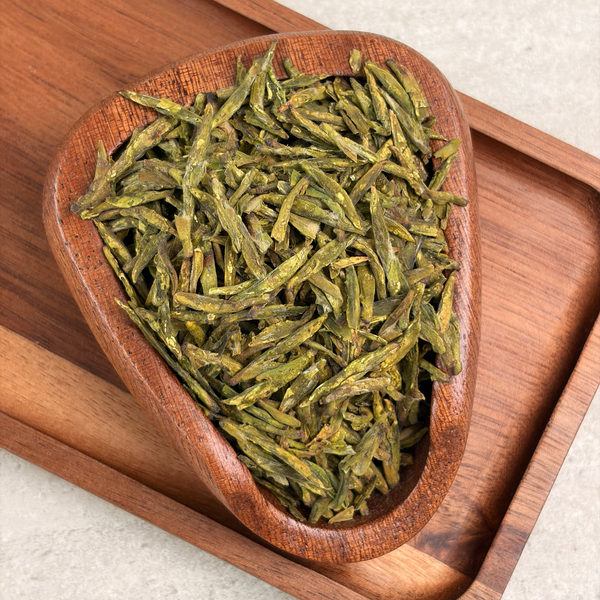
Raw pu'er from Banpo Village's 300-year-old trees, loose and unpressed. The sweetness takes a moment to arrive, and then it stays.
Questions? Message us on WhatsAppDirect from the farm
Bought in person from the farmer who made it, on a yearly sourcing trip to China.
Tasted before bought
We taste every lot ourselves before we buy, often against alternates from the same village.
Small lots, single origin
Every tea is named by its village, farmer, and harvest year. Never a warehouse blend.
What is Banpo Village Raw Pu'er Tea?
Sheng pu'er is what made Banpo famous, and this is that tea: raw leaf from trees roughly 300 years old, grown at 1,636 metres on Nannuo Mountain and farmed by the village's 27 Aini households. Our Banpo red comes from the same trees.
We have it loose, the sun-dried leaf right off the trays, never pressed into a cake. Young sheng is a different drink from the dark aged pu'er most people picture. The cup is pale gold. The walnut leads, then gives way to the sweetness.
Why this tea
- 01
The tea Banpo made its name on
One of the named sheng villages on Nannuo, with the mountain's biggest ancient-tree gardens
- 02
Loose leaf, never pressed
The form you get poured in the village, not the cake it usually becomes
Tasting Notes
Walnut, full body. Long sweet aftertaste that sits at the back of the mouth.
Oxidation
Stimulation
Fermentation
Body
Brewing Instructions
- Amount
- 4 gper 200 ml
- Temperature
- 90°C194°F
- Infusion Time
- 7 sec+1 sec from steep 9
- Infusions
- Up to 30
Rinse the leaves once with hot water before the first steep.
Aging & Storage
Loose sheng changes faster than a pressed cake and shows its aged side sooner. Drink it young and green, or set some aside and check on it in a few years.
Keep sealed in a cool dark cupboard, away from heat, light, and anything strong-smelling.
Origin
Origin
Nannuo Shan, Yunnan
Cultivar
Ancient Tree
Elevation
1600 meters
We tasted this sheng on our first visit to Banpo, in November 2025. The village was inside a cloud that day, and the farmer worked through a line of teas for us. This was the cup we liked most that afternoon, the walnut there from the start. We still left with the red. We don't drink pu'er often, and it was the easier call.
The sheng kept coming up all winter. When we planned the March trip back to Yunnan, Banpo went on the route for it, and this time it came home with us.
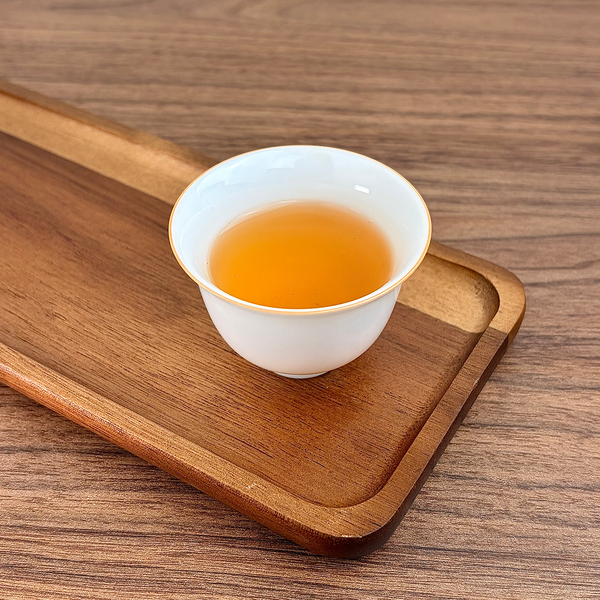
Same trees, different process
2025 Banpo Village Red Tea
Red tea from the same Banpo trees. The red hands you its sweetness straight away, where the sheng makes you wait for it.
See it