2025
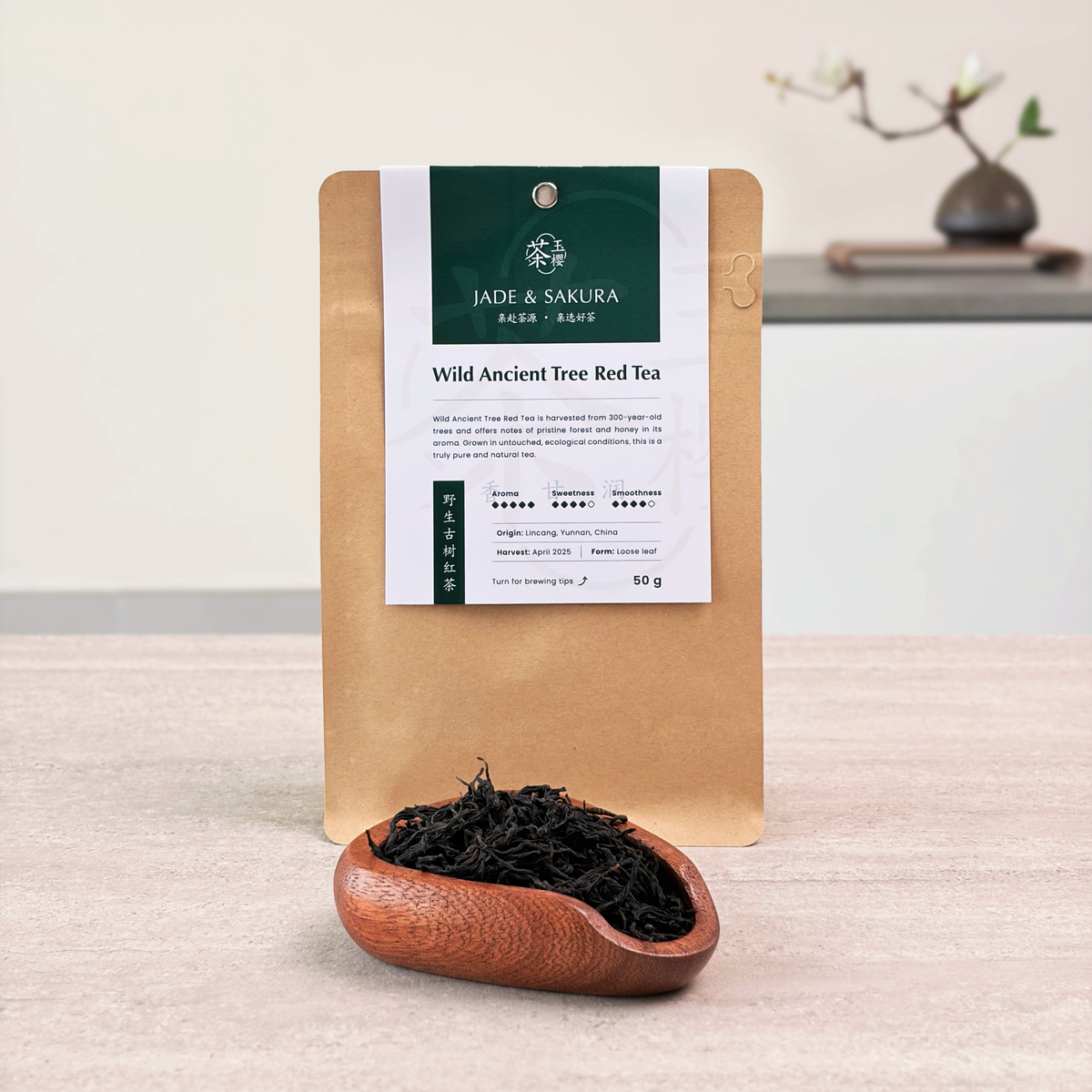
2025 Wild Ancient Tree Red Tea
Qualifies for free shipping
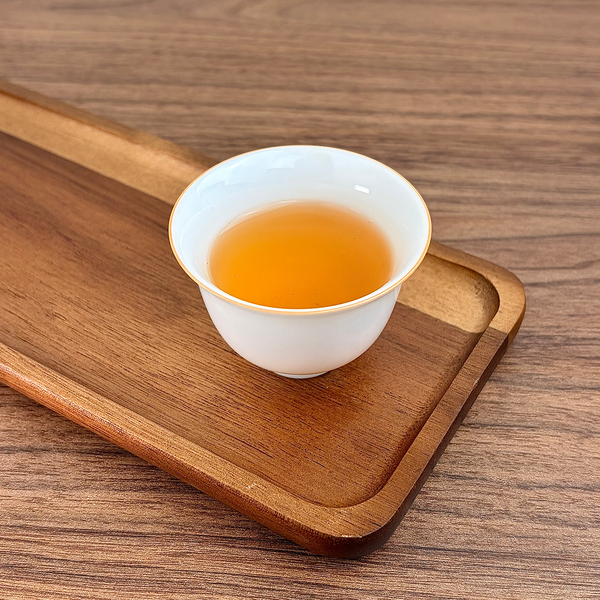
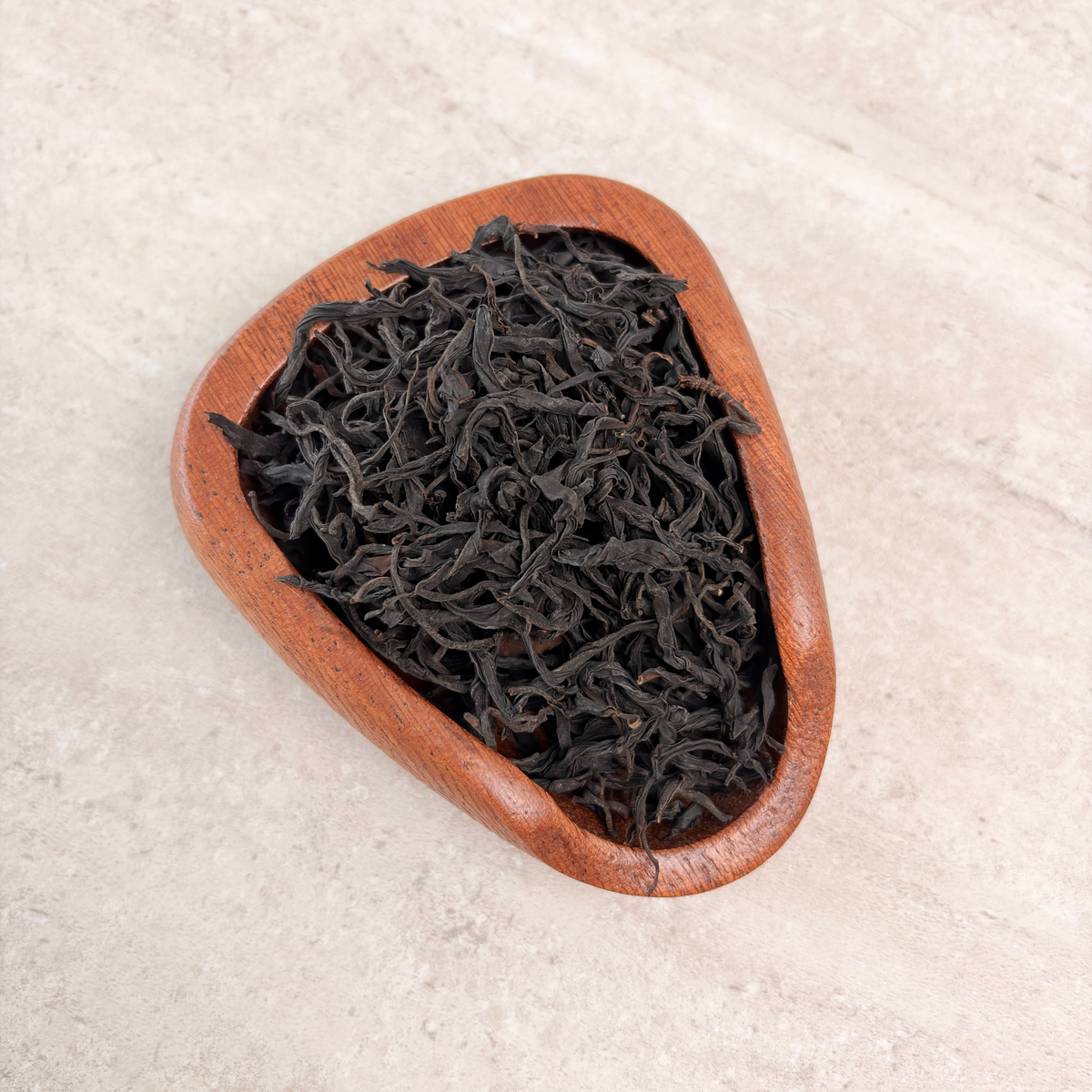
Unlike cultivated plantation teas, this red tea comes from wild ancient trees growing at 2,200 meters in the primeval forests of Lincang, Yunnan, harvested just once a year in early spring. Their deep root systems and slow growth at high elevation produce a concentration of flavor and a natural complexity that plantation tea cannot replicate. In the cup: deep amber, smooth and full, with notes of ripe fruit, honey, and a subtle woody depth.
Questions? Message us on WhatsAppDirect from the farm
Bought in person from the farmer who made it, on a yearly sourcing trip to China.
Tasted before bought
We taste every lot ourselves before we buy, often against alternates from the same village.
Small lots, single origin
Every tea is named by its village, farmer, and harvest year. Never a warehouse blend.
What is Wild Ancient Tree Tea?
Most red teas are produced from cultivated plantation bushes, managed, fertilized, and harvested multiple times a year. This tea comes from a fundamentally different source: wild ancient trees growing at 2,200 meters in the primeval forests of Lincang, Yunnan, trees that have never been planted or maintained by hand. They grow slowly, set their own roots deep into the mountain soil, and are harvested just once a year in early spring.
Age and altitude together produce something that plantation tea simply cannot replicate. The deep root systems of old trees draw minerals and nutrients from layers of soil that younger plants cannot reach. The slow growth at high elevation means the leaves develop a far greater concentration of flavor, with a natural complexity and a body that enthusiasts often describe as having a distinctly "wild" quality.
In the cup, the liquor is a deep amber, smooth and full, with notes of ripe fruit, honey, and a subtle woody depth.
Tasting Notes
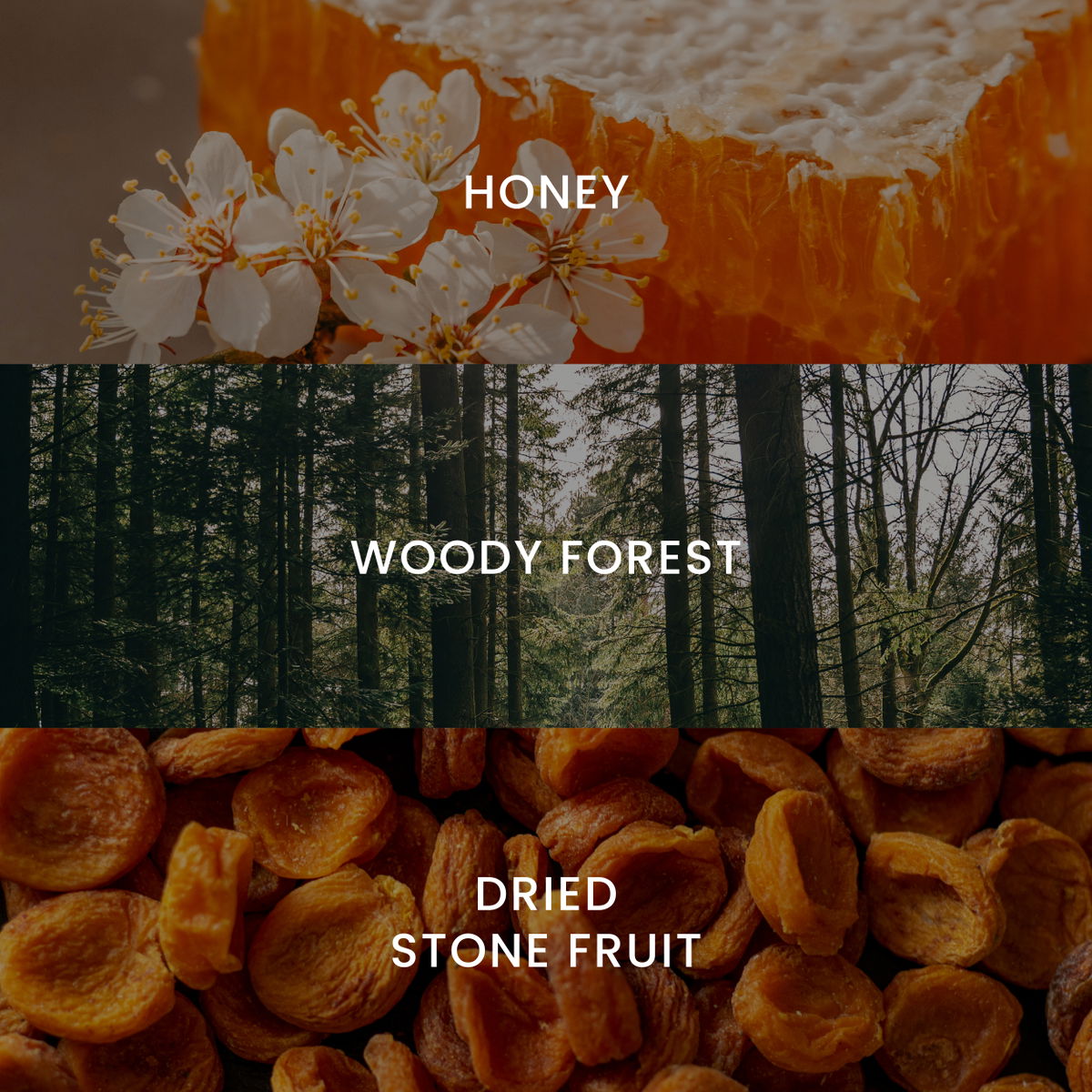
Deep honey sweetness, ripe stone fruit, and a woody forest undertone that speaks to the character of its ancient roots
Oxidation
Stimulation
Fermentation
Body
Brewing Instructions
- Amount
- 4 gper 200 ml
- Temperature
- 90°C194°F
- Infusion Time
- 7 sec+1 sec from steep 9
- Infusions
- Up to 30
Rinse the leaves once with hot water before the first steep.
Aging & Storage
Store in a cool, dry, airtight container away from light and strong smells
Origin
Origin
Lincang, Yunnan
Cultivar
Ancient Tree
Elevation
2200 meters
Fengqing County in Lincang, Yunnan, is one of China's oldest and most storied tea regions, historically known as the birthplace of Dianhong, Yunnan's famous red tea. At 2,200 meters above sea level, the ancient wild trees here grow in nutrient-rich forest soil without cultivation, fertilization, or management of any kind. Unlike clonal plantation trees grown for yield and consistency, wild trees are genetically diverse and develop tougher, more fibrous leaves with a greater concentration of flavor compounds. They also grow far more slowly, producing a smaller harvest but with a complexity that plantation material cannot replicate. This tea is sun-dried rather than hot-air dried, an older and slower method that preserves more of the tea's aromatic compounds and allows gentle enzymatic activity to continue during drying, resulting in a more complex fragrance and a longer finish in the cup.